



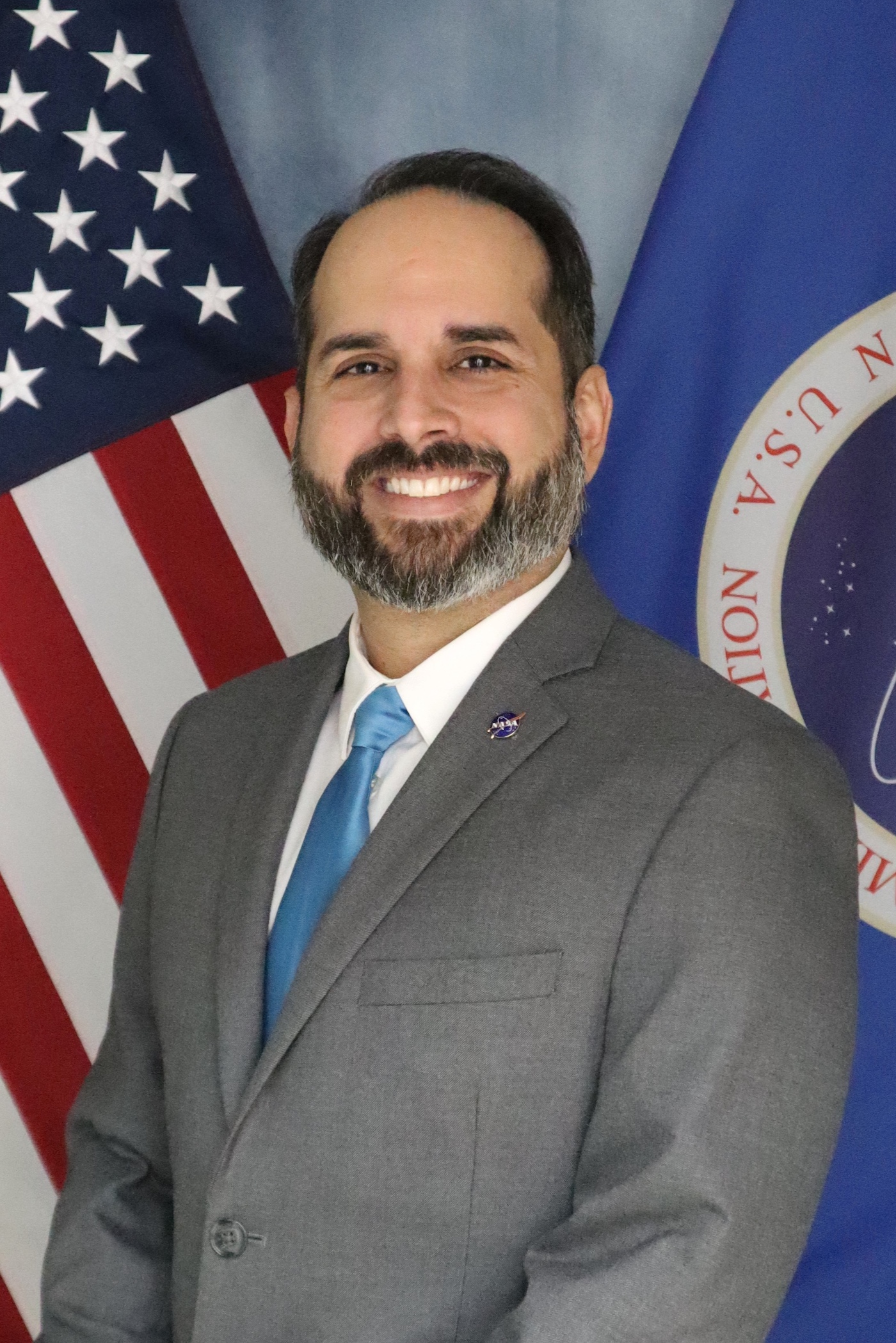

Parker Byrd
NASA’s Marshall Space Flight Center
RF Electronics Engineer
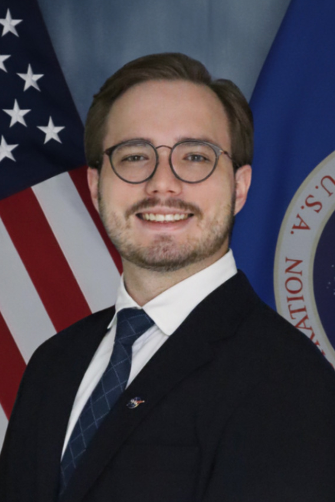
Parker Byrd is an Electrical Engineer at NASA’s Marshall Space Flight Center in Huntsville, Alabama, where he has supported spaceflight communications and radio frequency (RF) systems development since 2020. A graduate of The University of Alabama with a Bachelor of Science in Electrical Engineering, he specializes in RF communications, antenna design, electromagnetic modeling, and spaceflight communications systems.
At NASA, he has contributed to a diverse portfolio of exploration, technology development, and flight hardware programs. He serves as a Hardware Responsible Engineer for critical Space Launch System (SLS) communications and flight safety hardware, supporting system readiness for Artemis missions. He has also led development efforts for emerging wireless communication technologies, including radiation-tolerant wireless systems and advanced antenna concepts for future space applications.
In addition to flight programs, he supports research and development activities focused on advancing transformational space technologies. His work includes wireless power beaming systems developed through international collaboration, additive manufacturing approaches for RF hardware and antennas, and electromagnetic compatibility and cosite analyses for the Human Landing System (HLS). Using advanced modeling and simulation tools, he evaluates antenna performance, RF propagation, interference mitigation, and system integration challenges to support mission success and technology maturation.
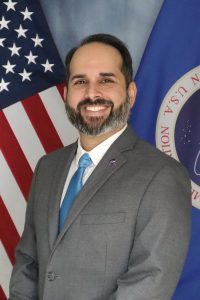
Kelvin Ruiz
NASA’s Kennedy Space Center
Program Executive for the Independent Research and Development (IRAD) program at NASA
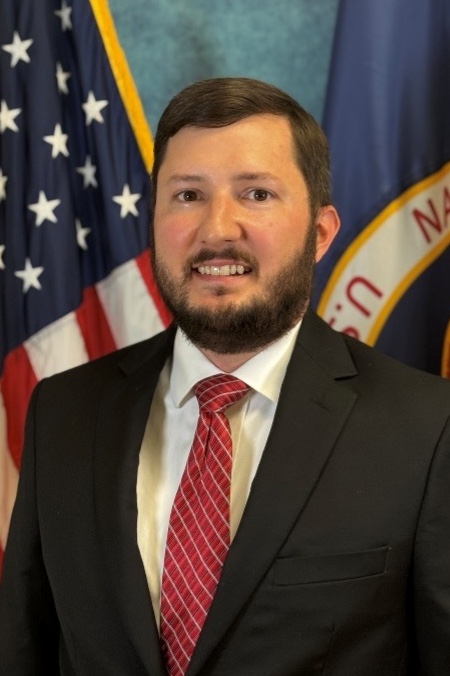
Kelvin Ruiz is serving as the Program Executive for the Independent Research and Development (IRAD) program at NASA, a position he began in June 2026. Previously, he served as Center Chief Technologist at the John F. Kennedy Space Center, where he coordinated technology development, encouraged workforce innovation, and communicated the impact of Kennedy’s technology accomplishments. His NASA career also included roles as a senior technologist, Bid and Proposal Manager, and senior electronics engineer. Ruiz holds degrees in electrical and electronics engineering and industrial engineering from the University of Puerto Rico–Mayagüez and the University of Central Florida.

Daniel Mowery
NASA’s Marshall Space Flight Center
HLS RF Communications Focal for Blue Origin
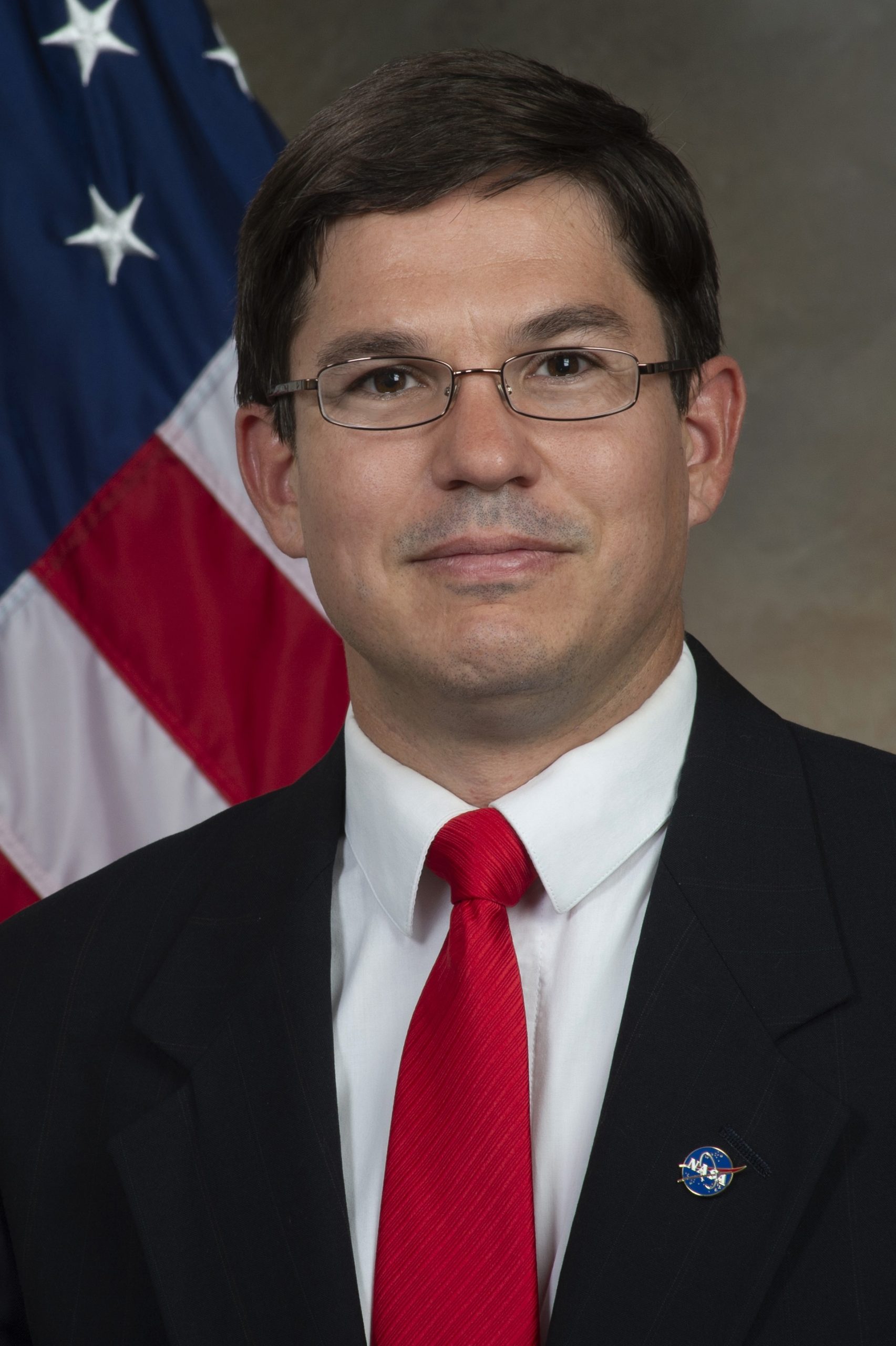
Daniel Mowery is a Huntsville native who has been working with NASA for four years. Having earned his undergraduate degree from Mississippi State University in Electrical Engineering, Daniel worked for defense while earning his graduate degree. After three years of serving in the defense industry, Daniel changed careers and was hired by Amentum to serve on the HLS program. Ever since, Daniel has served the HLS program providing technical insight into provider communications designs. Having recently transitioned to Civil Service, today Daniel serves the HLS program as the RF Communications focal for Blue Origin and is supporting development towards the Artemis III mission.

Derek Oterman
NASA’s Kennedy Space Center
Acting Manager, Chief Engineer Office, and
NESC Deputy Technical Fellow, Communications and Tracking
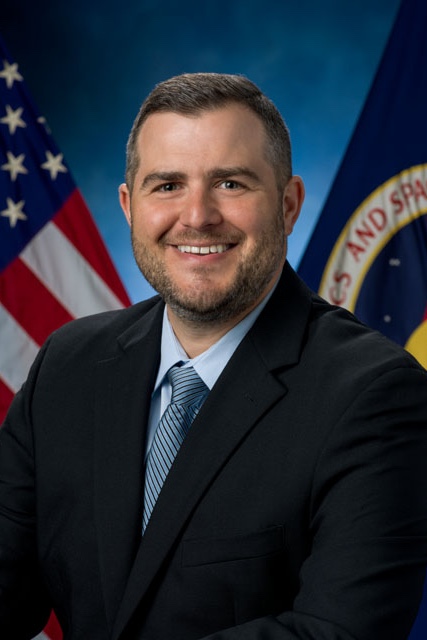
Dr. Derek Otermat has over 18 years of experience working and leading technical design and operational activities of spacecraft and ground-based command, control, and communication systems for NASA’s critical human spaceflight missions. Dr. Otermat currently serves as Acting Manager of the Chief Engineer Office at NASA’s Kennedy Space Center and Deputy Technical Fellow for Communications & Tracking for the NASA Engineering and Safety Center (NESC). Prior to these roles, Dr. Otermat served as the Human Spaceflight Network Director. In this role, Dr. Otermat was responsible for integration and operations of the end-to-end space and ground communication systems used during all NASA’s human spaceflight missions.
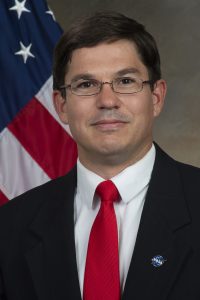 Jeremy Del Greco
NASA’s Marshall Space Flight Center
HLS Communications Integration Lead
Jeremy Del Greco currently serves as the Human Landing System (HLS) Communications Integration Lead. In that role within the HLS Systems Engineering & Integration (SE&I) Office, he serves as the primary focal point for the integration of all systems that interface with communications. Mr. Del Greco previously served in the Artemis SE&I Office as the Lunar Surface Integration Deputy Lead. He also supported the International Space Station (ISS) Program as a Payloads Operations Director, the Operation Integration Manager for the Avionics & Software Office and a Communications & Tracking Flight Controller. Mr. Del Greco holds a B.S. in Electrical Engineering from Texas A&M University and a M.S. in Systems Engineering.
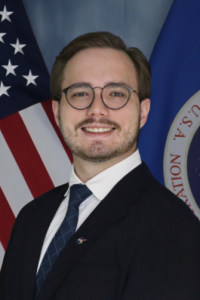 Alexander Bahrim
NASA’s Kennedy Space Center
Launch Services Program
2027 HuLC Chair
Alexander Bahrim is an electronics engineer for the Launch Services Program (LSP) at NASA’s Kennedy Space Center (KSC) in Florida. He supports avionics hardware qualification and certification, as well as on-console launch support for Blue Origin and SpaceX launch vehicles. His research centers on enabling interoperable, scalable, and resilient lunar surface networks to support NASA’s Artemis missions and long-term human presence on the Moon. Through his publication, Lunar Tower Communication Relay: A Comprehensive Surface Communication Architecture for NASA’s Artemis Sustained Lunar Presence Missions, he developed a comprehensive lunar communications architecture integrating 3rd Generation Partnership Project (3GPP) fifth-generation (5G) cellular wireless with his Lunar Tower Communication Relay (LTCR) concept, addressing the need for standardized connectivity between landers, suits, rovers, and habitats operating across the lunar surface.
As a systems engineer at NASA’s Johnson Space Center (JSC) in Texas, he led the technical integration of milestone reviews for the Human Landing System (HLS) Program at NASA’s Marshall Space Flight Center (MSFC) in Alabama. He received the NASA Group Achievement Honor Award in 2025 for “exceptional performance in successfully planning and executing multiple reviews for the HLS Program and Providers for both the Human and Cargo Landers”. Prior to joining NASA, he worked as an automation engineer in industrial automation and control systems.
A native of Beaumont, Texas, he earned his bachelor’s degree in electrical engineering from Lamar University and his master’s degree in space architecture from the University of Houston.